Introduction
When manufacturing utility products, industrial bags, protective covers, or heavy-duty upholstery, one of the most critical performance factors is load-bearing capacity. The fabric must support weight without tearing, stretching excessively, or weakening at the seams.
This is where heavy duty cotton canvas fabric proves its value. Designed with thick yarns and dense weaving, it provides exceptional strength and structural stability.
In this article, we explain how the load-bearing capacity of high strength cotton canvas works and why it is preferred in industrial and outdoor manufacturing.
What Is Load-Bearing Capacity in Fabric?
Load-bearing capacity refers to the amount of weight a fabric can support before:
• Tearing
• Stretching excessively
• Seam failure
• Structural deformation
For manufacturers sourcing from an industrial canvas fabric wholesale supplier, understanding these performance metrics is essential for product reliability.
Key Factors That Determine Canvas Load Strength
1. Fabric Weight (GSM)
The heavier the fabric, the greater its strength. Extra thick cotton canvas material typically has higher GSM, which means:
• Increased yarn density
• Improved tensile resistance
• Higher weight support capability
A professional thick cotton canvas supplier ensures consistent GSM for industrial-grade products.
2. Yarn Thickness & Quality
Heavy duty canvas uses thicker cotton yarns that contribute to:
• Stronger fiber integrity
• Better resistance to stress
• Reduced tearing under load
• Long-term durability
Premium yarn quality enhances the performance of strong canvas fabric material.
3. Weave Density
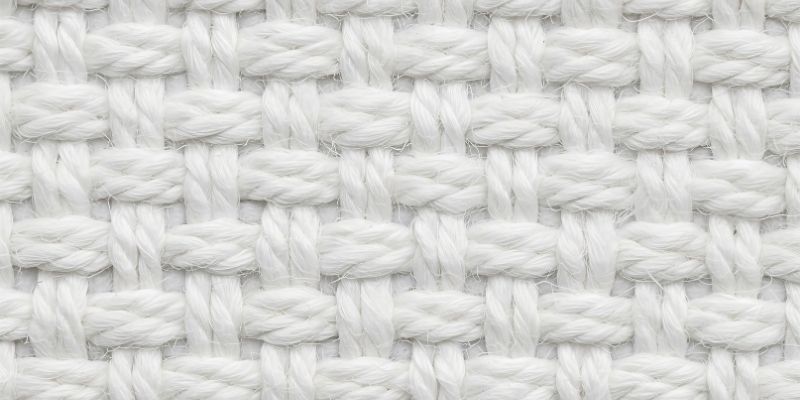
The tightly woven plain weave structure of rugged cotton canvas cloth:
• Distributes weight evenly
• Minimizes stress concentration
• Prevents tear propagation
• Enhances structural stability
Dense weave construction is one of the main reasons heavy canvas performs well in load-bearing applications.
4. Tensile Strength
Tensile strength measures how much pulling force the fabric can withstand before breaking.
High strength cotton canvas offers:
• Strong resistance to pulling
• Minimal elongation under pressure
• Better seam stability
• Reduced fabric distortion
This makes it ideal for weight-intensive products.
Real-World Load-Bearing Applications
1. Heavy-Duty Tool Bags
Manufacturers searching for the best heavy duty canvas fabric for bags rely on canvas because it:
• Supports tools and equipment
• Maintains structure under weight
• Prevents seam tearing
• Resists wear from sharp edges
Heavy canvas ensures long-lasting durability even in rugged work environments.
2. Industrial Equipment Covers
Industrial strength canvas material is used for:
• Machinery covers
• Protective transport sheets
• Storage protection
The fabric must handle tension during installation and removal without ripping.
3. Outdoor Utility Products
A reliable outdoor canvas fabric supplier provides materials for:
• Camping gear
• Agricultural covers
• Utility storage sacks
• Field equipment carriers
Load-bearing capacity is essential when products are exposed to both weight and environmental stress.
4. Upholstery in Commercial Environments
Heavy canvas fabric for upholstery is widely used in:
• Workshop seating
• Industrial benches
• Commercial furniture
The fabric must withstand continuous pressure and repeated use without thinning or tearing.
Canvas vs Lightweight Fabrics in Load-Bearing Performance
Lightweight fabrics may:
• Stretch under heavy load
• Experience seam failure
• Tear at stress points
• Lose structural integrity
In contrast, heavy duty cotton canvas fabric offers:
• Higher resistance to stress
• Superior seam support
• Long-term structural stability
• Reduced product failure rates
This makes heavy canvas a preferred choice for utility and industrial manufacturing.
Seam Strength and Reinforcement
Load-bearing performance is not only about fabric strength but also seam compatibility.
Heavy canvas supports:
• Double stitching
• Reinforced seams
• Heavy-duty thread application
• Industrial stitching machines
A dependable bulk heavy canvas fabric supplier ensures compatibility with industrial sewing standards.
Environmental & Long-Term Performance
In outdoor and industrial settings, load-bearing materials must also withstand:
• Friction
• Environmental exposure
• Repeated lifting
• Handling stress
Durable cotton canvas for outdoor use performs consistently without significant degradation over time.
Benefits of Sourcing from Industrial Canvas Fabric Wholesale Suppliers
For large-scale production, working with an industrial canvas fabric wholesale supplier provides:
• Consistent tensile strength standards
• Reliable fabric thickness
• Bulk supply capability
• Cost efficiency
• Uniform quality control
Manufacturers often partner with wholesale industrial canvas fabric USA suppliers for dependable industrial-grade materials.
Why Load-Bearing Capacity Matters for Manufacturers
Strong load-bearing fabric ensures:
• Product reliability
• Reduced warranty claims
• Increased customer trust
• Longer product lifespan
• Enhanced brand reputation
Choosing a trusted thick cotton canvas supplier directly impacts final product performance.
Conclusion
The load-bearing capacity of cotton canvas is determined by:
• Fabric weight (GSM)
• Yarn thickness
• Weave density
• Tensile strength
• Seam compatibility
Heavy duty cotton canvas fabric offers superior strength compared to lighter materials, making it ideal for industrial, outdoor, and utility applications.
For manufacturers seeking dependable performance, sourcing from an experienced industrial canvas fabric wholesale supplier ensures high-quality, durable materials designed to withstand demanding load conditions.
When strength, reliability, and long-term performance matter, high strength cotton canvas remains one of the most trusted load-bearing textile solutions available.